
Choosing the Right Plank Width for a Balanced Space
When you’re choosing new flooring, you typically start by selecting the right material for your lifestyle and a color that works with your space.
When plank flooring enters the picture — whether hardwood, luxury vinyl plank, or laminate — width becomes an equally important design decision.
Plank width influences how your eye moves through a room and how large, open, or grounded the space feels. Narrow planks introduce rhythm and detail, while wider planks create a sense of calm and continuity.
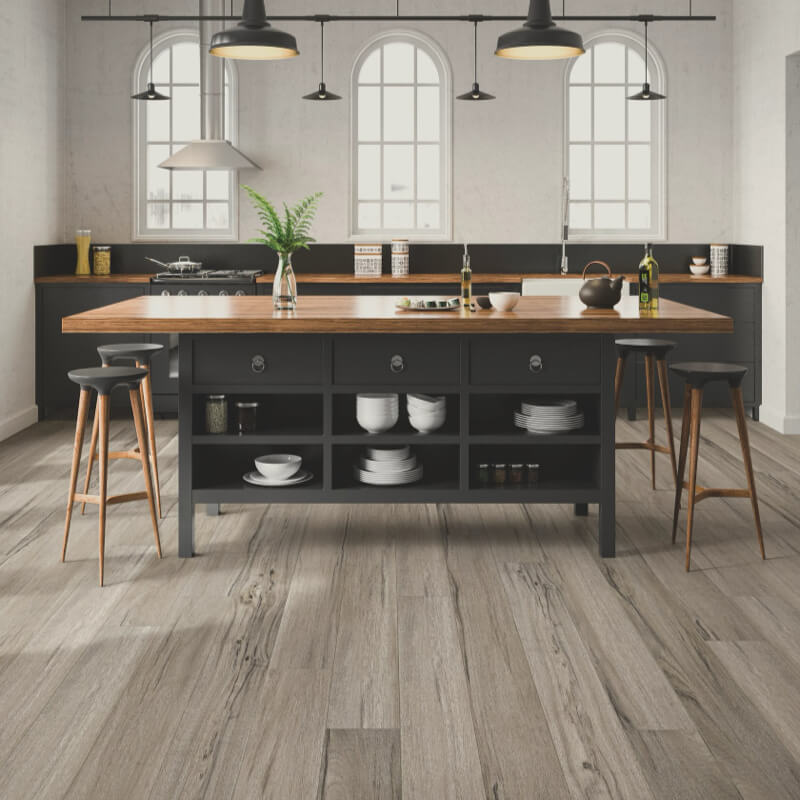
The right choice helps your flooring feel intentional rather than incidental.
Understanding Flooring Plank Widths
Plank width plays a major role in how a floor reads within a space. While color and material set the tone, width determines scale, rhythm, and flow. Most plank flooring falls into three general categories: narrow, standard, and wide. Each creates a different visual effect and works best in certain room sizes and architectural styles.
Narrow Planks 3 to 4 Inches
Narrow planks create a floor with frequent seams and noticeable movement, giving the surface a sense of detail and craftsmanship. This tighter pattern draws the eye across the room, adding texture and visual interest without relying on bold color or heavy grain.
These widths are commonly found in traditional, historic, or older homes, where smaller-scale details feel consistent with the architecture. When used thoughtfully, narrow planks bring warmth and familiarity while reinforcing classic design elements.
Practical considerations for narrow planks include:
- Architectural compatibility: Pairs well with traditional trim, wainscoting, and detailed millwork.
- Room proportion: Works nicely in smaller rooms where fine detail enhances the space rather than overwhelming it.
- Installation options: Supports straight-lay, diagonal, or patterned layouts such as herringbone or parquet.
Standard Planks 4 to 5 Inches
Standard-width planks offer a balanced look that sits comfortably between traditional and contemporary styles. They provide enough seam definition to add interest while maintaining a clean, organized appearance that works across many types of homes.
This width range is often chosen for transitional spaces or for homeowners who want flexibility. It complements both classic and updated interiors without drawing too much attention to the floor itself.
Key considerations for standard planks include:
- Versatility: Blends easily with a wide range of design styles and furnishings.
- Visual balance: Creates movement without making the floor feel busy.
- Long-term appeal: A safe choice for homeowners who want a look that will age well over time.
Wide Planks 6 Inches and Wider
Wide planks create a more open, seamless appearance by reducing the number of visible seams across the floor. This allows the eye to move freely through the space, which can make rooms feel larger and more connected.
Wide planks continue to define modern, contemporary, rustic, and open-concept interiors. They showcase more of the wood’s natural grain, knots, and tonal variation, adding depth while keeping the overall look calm and intentional.
Important considerations for wide planks include:
- Visual flow: Fewer seams support a cleaner look in large or connected spaces.
- Design presence: Naturally positions the floor as a key design feature in the room.
- Installation quality: Proper subfloor preparation and installation techniques are essential for long-term performance.
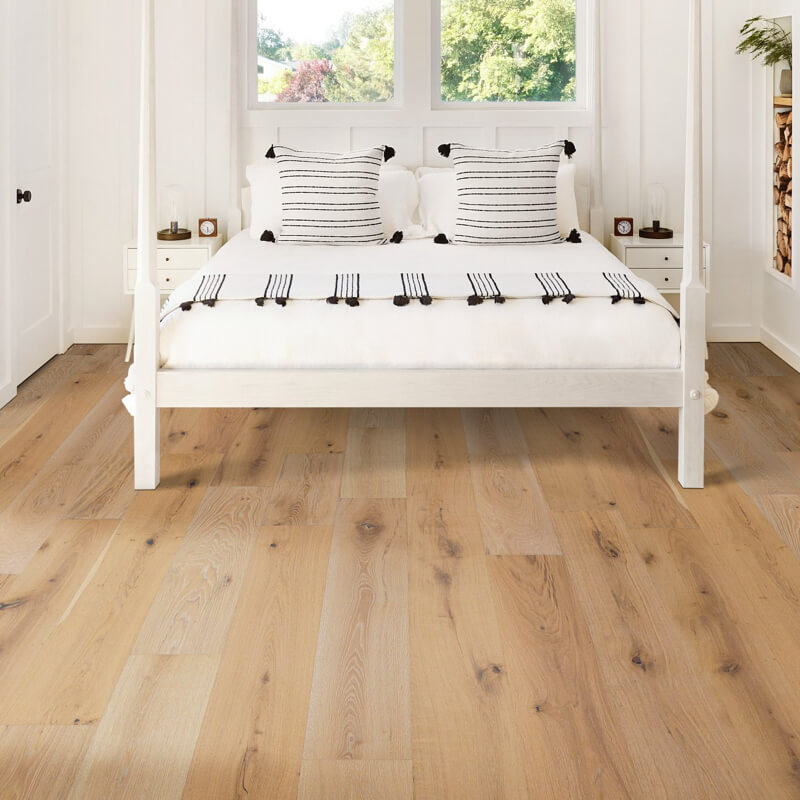
How Plank Width Shapes the Feel of Your Space
Plank width has the ability to subtly impact how a room is perceived. When chosen thoughtfully, it can enhance proportions and improve how your home flows from one area to the next.
Open Concept and Larger Rooms
In expansive living areas, wide planks often feel like a natural fit. Widths in the seven- to nine-inch range help minimize visual breaks across large floor plans, allowing furniture groupings and architectural features to stand out.
The uninterrupted surface reduces visual noise, which makes open spaces feel more intentional and less fragmented.
Smaller Rooms and Hallways
Tight spaces benefit from balance. Extremely wide planks can feel oversized in narrow rooms, while very narrow boards can introduce too much pattern. Mid-width planks, approximately five inches, often provide the right proportion.
This keeps the floor from feeling busy while still offering enough detail to make the space feel finished and inviting.
Ceiling Height
Ceiling height also plays a role in how plank width is perceived. Wide planks tend to visually ground a space, which can help balance rooms with higher ceilings. Narrow planks, on the other hand, can emphasize vertical lines and make tall spaces feel even more elongated.
Matching plank width to ceiling height helps the room feel balanced rather than exaggerated.
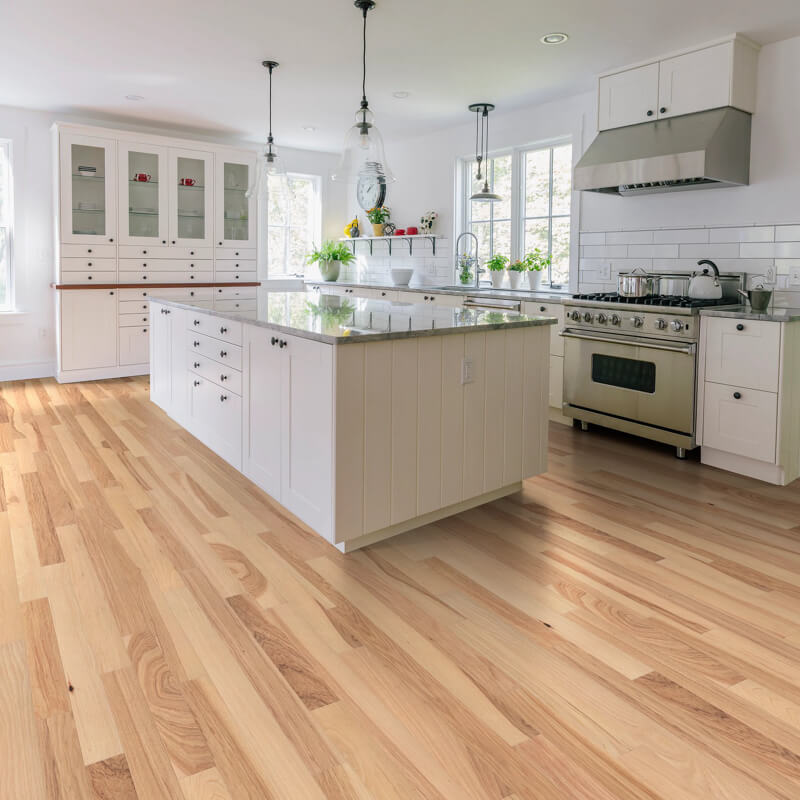
Matching Plank Width to Your Design Style
Plank width plays a defining role in establishing the personality of a space. Beyond scale, it influences how formal or relaxed a room feels, how much visual texture is present, and whether the flooring quietly supports the design or becomes a focal point.
When width aligns with the intended style of the home, the result feels cohesive rather than forced. Choosing the wrong width for a given aesthetic can make even high-quality flooring feel slightly out of place.
Modern and Contemporary Interiors
Modern and contemporary spaces prioritize clarity, openness, and visual calm. In these interiors, flooring should feel intentional without drawing unnecessary attention to itself. Extra-wide planks, often eight inches or wider, support this by reducing the number of seams across the floor, which keeps the surface looking clean and uninterrupted. This simplicity allows architectural lines, furniture, and natural light to take center stage.
To reinforce a modern look:
- Choose wide planks with subtle grain and minimal knotting to avoid visual noise
- Opt for matte or low-sheen finishes that soften reflections and feel more current
- Use consistent plank widths throughout connected spaces to maintain a unified flow
Rustic and Farmhouse Spaces
Rustic and farmhouse interiors lean into warmth, texture, and a sense of lived-in comfort. In these settings, plank width becomes a tool for showcasing natural variation rather than minimizing it. Wide or mixed-width planks emphasize the organic qualities of the material, helping the floor feel authentic and grounded rather than overly polished.
Design elements that support this aesthetic include:
- Visible knots, mineral streaks, and grain variation that highlight natural character
- Wire-brushed or lightly distressed finishes that add depth and tactile interest
- Wider boards that allow those natural details to stand out across the floor
Traditional and Classic Homes
Traditional and classic interiors often rely on proportion, symmetry, and subtle elegance. In these spaces, standard to mid-width planks typically feel the most appropriate. Widths in the three- to five-inch range introduce structure and rhythm without competing with architectural details such as crown molding, built-ins, or detailed trim work.
These plank widths are often paired with:
- Medium to darker wood tones that convey richness and permanence
- Satin or semi-gloss finishes that reflect light without appearing overly modern
- Straight-lay installations that reinforce balance and visual order
How Plank Width Works Across Flooring Materials
Plank width is not purely a design decision. It also interacts with the performance characteristics of different flooring materials. Each material responds differently to width in terms of stability, installation, and long-term wear. Understanding these differences helps homeowners choose a plank size that looks right and performs reliably in their space.
Hardwood Flooring
Hardwood flooring offers a wide range of plank widths, but material type matters. Narrower planks tend to create a more traditional appearance, while wider boards highlight grain patterns and natural variation. Engineered hardwood, in particular, supports wider planks more effectively due to its layered construction, which improves stability.
In homes with larger rooms or varying humidity levels, engineered hardwood in wider widths often provides a more predictable long-term result while still delivering the look of natural wood.
Luxury Vinyl Plank and Laminate
Luxury vinyl plank and laminate flooring offer greater flexibility when it comes to plank width. Because these materials are more dimensionally stable than hardwood, they can be manufactured in wider formats without the same concerns about expansion or contraction.
Wider planks in LVP and laminate are especially effective for homeowners who want a modern aesthetic paired with durability. They work well in busy households, open layouts, and spaces where consistency and ease of maintenance are priorities.
Wood Look Tile
Wood look tile brings the visual appeal of plank flooring into areas where moisture resistance is essential. Longer and wider tile planks help maintain realistic wood proportions while reducing the number of grout lines across the floor. This not only improves the overall appearance but also simplifies cleaning and upkeep.
Plank width in tile allows homeowners to carry a wood-inspired design into kitchens, bathrooms, and laundry rooms while maintaining confidence in the floor’s performance under water exposure.
Bringing It All Together with the Right Plank Width
Plank width is a foundational design decision that shapes how your home feels from room to room. Whether you prefer the detail of standard boards or the openness of wide planks, the goal is balance. The right width complements your space, supports your lifestyle, and enhances the overall flow of your home.
At , we help homeowners in compare plank widths in person so you can see how scale, texture, and finish work together. Viewing full-size samples laid out side by side makes it easier to choose a floor that feels right for your space and your style.